observe what the spotlight is costing you?
“What is the worst thing that could possibly happen?”
You’re running so hard you have stopped looking at what it is costing you…
That was a joke of mine for years, the kind you say right before something goes sideways. I am well known for it, and I mean that literally, it started as exactly that, a joke, before it became a practice.
When the Judge gets going, I ask it out loud, and then I actually answer it. Slowly. Specifically. The answer is almost never as bad as the voice made it sound.
The Positive Intelligence app helped too, mostly by being buggy, a phone-based app with lots and lots of bugs. I reframed it into the perfect torture chamber for staying present: try to remain calm while the updates are not coming, and the reminders do not show up. If I could observe my own reaction to a frozen screen without the Judge taking over, I could probably manage a board meeting.
…Matt observed it first
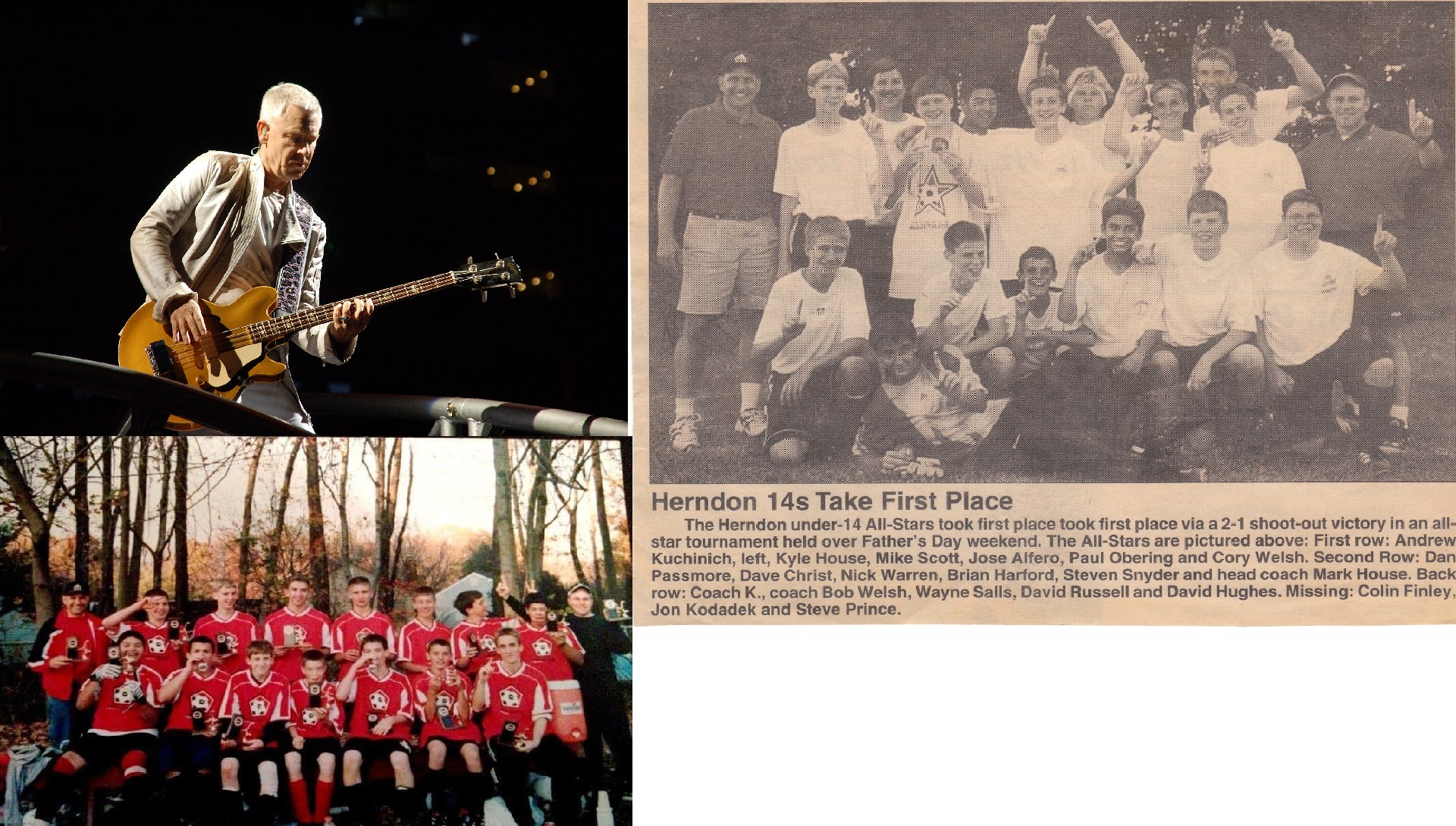
Matt Malley played bass in Mr. Dog with David Bryson before there was a Counting Crows, and once thought seriously about becoming an air traffic controller. From 1991 to 2005 he held down the low end through all of it. Then he left. Weary of touring, and wanting to be home as a new father. Yoga, Southern California, his wife and 3 sons, a solo album in 2008.
Nobody made him leave. He observed what the road was costing and said it out loud. That is harder than it sounds when the band is still selling out, the venues are still full, and every outside signal says keep going exactly as you are.
…and Adam went to tend bar
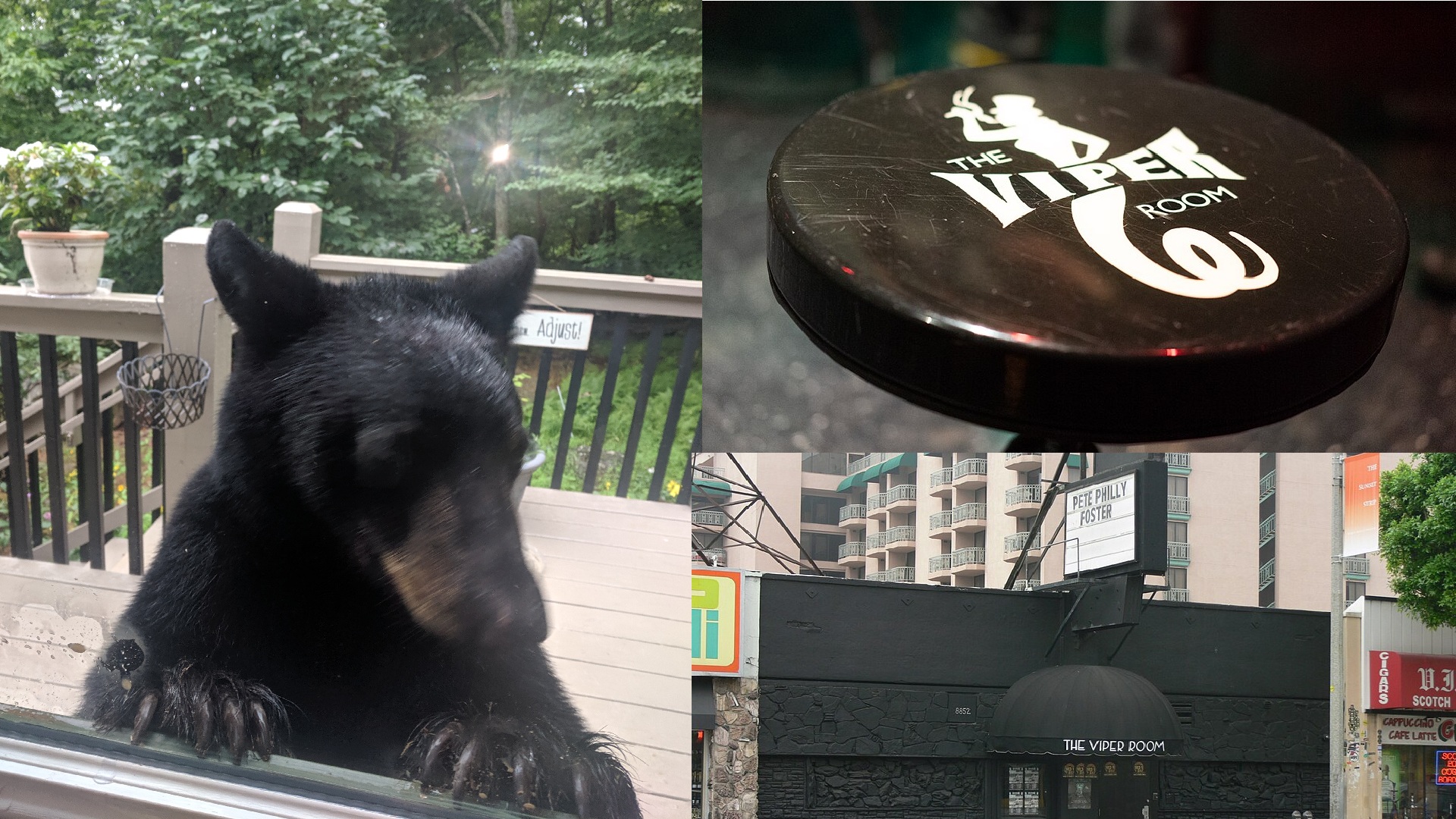
After the first record and the world tour, before Recovering the Satellites, the singer from the Rolling Stone cover went to work behind the bar at the Viper Room in West Hollywood, and stayed for years.
He needed it. “Once I was a little recovered, ’cause I needed some recovery time, it was magic.” And the room gave him something the stage could not. “Everyone was famous. Even though I was famous, who cares?” Mark McGrath of Sugar Ray remembered it simply: “He just wanted to work the bar to feel normal.”
The documentary has a great aside. Chris Martin hears that Adam tended bar at the height of his fame and loves it, so down to earth, right up until he learns which bar.
Step out of the spotlight long enough to see what is real. That is observe at its most practical. It does not require a bar, a documentary crew, or a career break. It requires actually looking at what a stretch of weeks cost you, instead of only what it produced.
Everybody has had A Long December…
A Long December came out as a single on November 19, 1996. No. 6 on Hot 100 Airplay, No. 1 in Canada. Adam wrote it after a friend was struck by a car, and said it is about “looking back on your life and seeing changes happening.” In 2025 he said, “I knew that was the best thing I’d ever written when I wrote it.”
Every leader I know has had A Long December, the quarter that would not end, the reorg that took a year off everybody. The Judge’s version of that stretch is all misses. Nothing else made the cut. I cannot tell you how many people have tried to get me to focus on just the misses, and I still will not do it.
Feed the Bear, with 6 things that went ok…
Which brings me to the most unglamorous tool I teach. Feed the Bear is a weekly status report built on No Surprises: Accomplishments, then Exceptions, Surprises and Opportunities, then Plans. An AESOP fable to your boss… and to you…
Write 6 things that went ok every night since Monday, and you open the report to find the first section already written.
No artificial Intelligence is going to notice that pattern for you. It takes a human, watching their own week, willing to write down the parts that actually went fine. That is the whole of the human Intelligence this practice is training.
Your 6 things that went ok are not a gratitude exercise. They are your Accomplishments, hiding in plain sight.
Your “Simple… Not Easy” move: this Thursday afternoon, read back your lists from Monday to last night and write your Feed the Bear from them. Send it to your boss before anyone asks. Then ask the question out loud: what is the worst that could possibly happen?
Helping leaders remember that the worst thing DIDN’T happen is part of my work now. Schedule time with me here.
As fall starts, this is the time to begin a practice that will prevent… A Long December