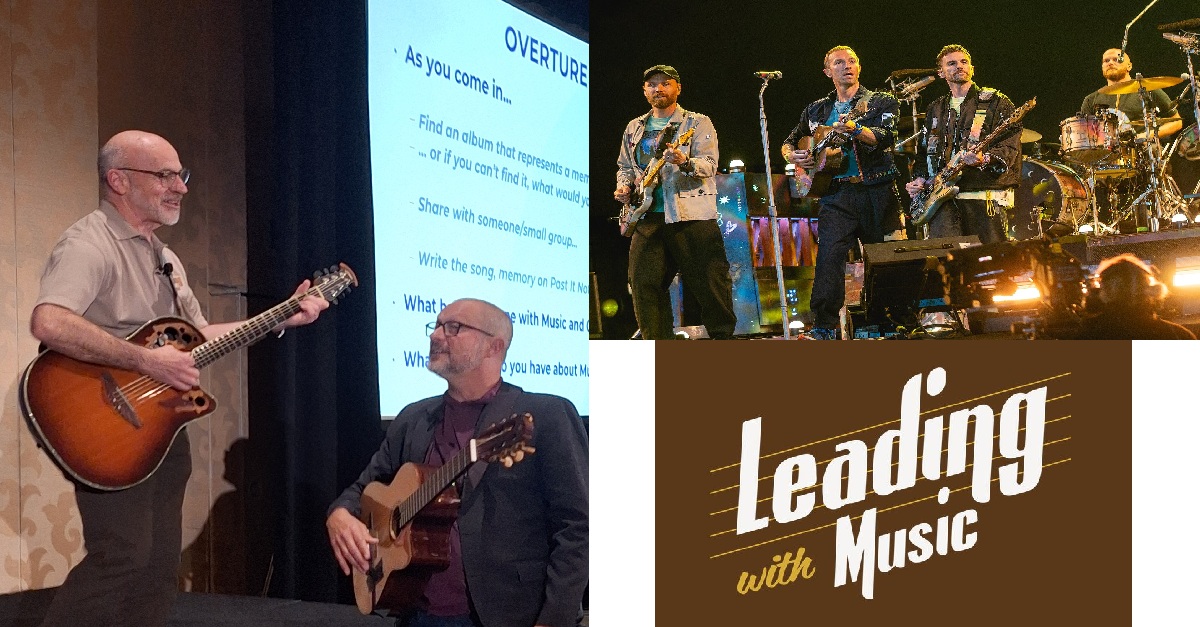
“… you won’t know the song”… “That doesn’t matter… YOU do”
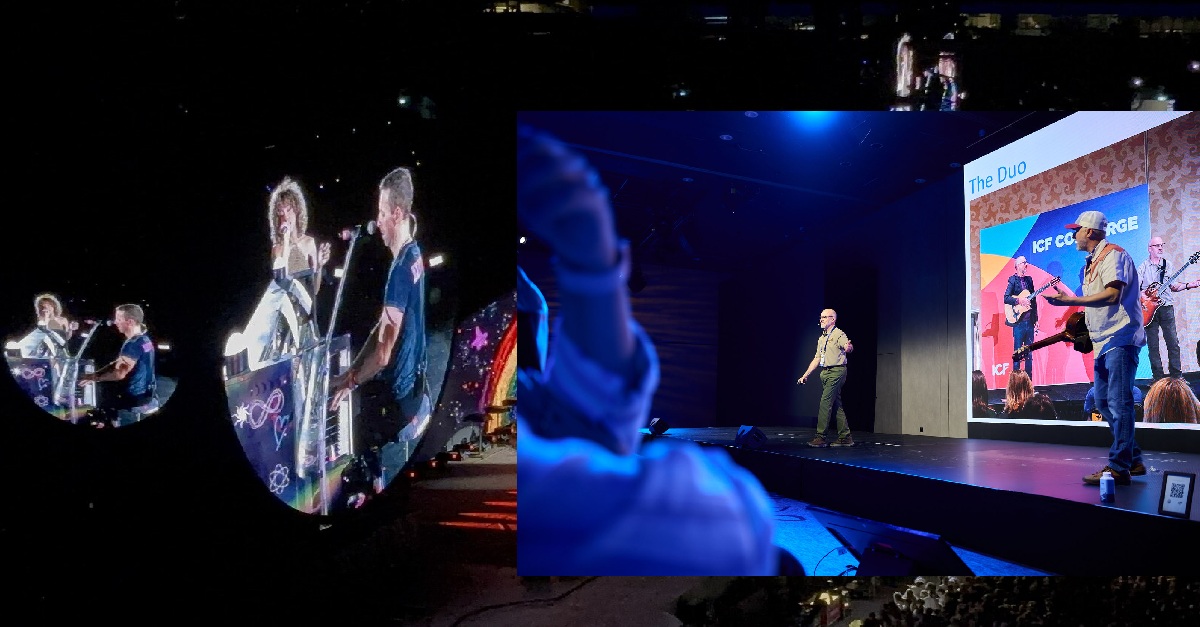
… Paris, ICF Converge, on my 67th birthday. The woman who introduced us sat down, and we kicked off the workshop: everyone opens their phone and shares the last piece of music they listened to. 150 people, all talking to each other… and she had no partner. So I stepped off the stage. She was Greek, and she made excuses: I wouldn’t know her music. I insisted. She started talking about the Greek music she loved as a teenager, and her eyes teared up… it is that instant change that we work for.
…the one person in the room nobody turned to…
Every room you lead has one. The offsite, the all-hands, the kickoff where everybody pairs up and one engineer is left looking at a phone. You are on the stage, or at the front, watching the clock and the slides. You have been running the room, and the person who needed you most has been sitting alone in the third row.
Tech people will not wave you over. They will tell you they are fine, that you would not know their music anyway, that they will just listen. The excuse is the invitation. It is the door, held half open, waiting to see whether anyone actually wants to come through it.
…a singer who asks what it is like to be someone else…
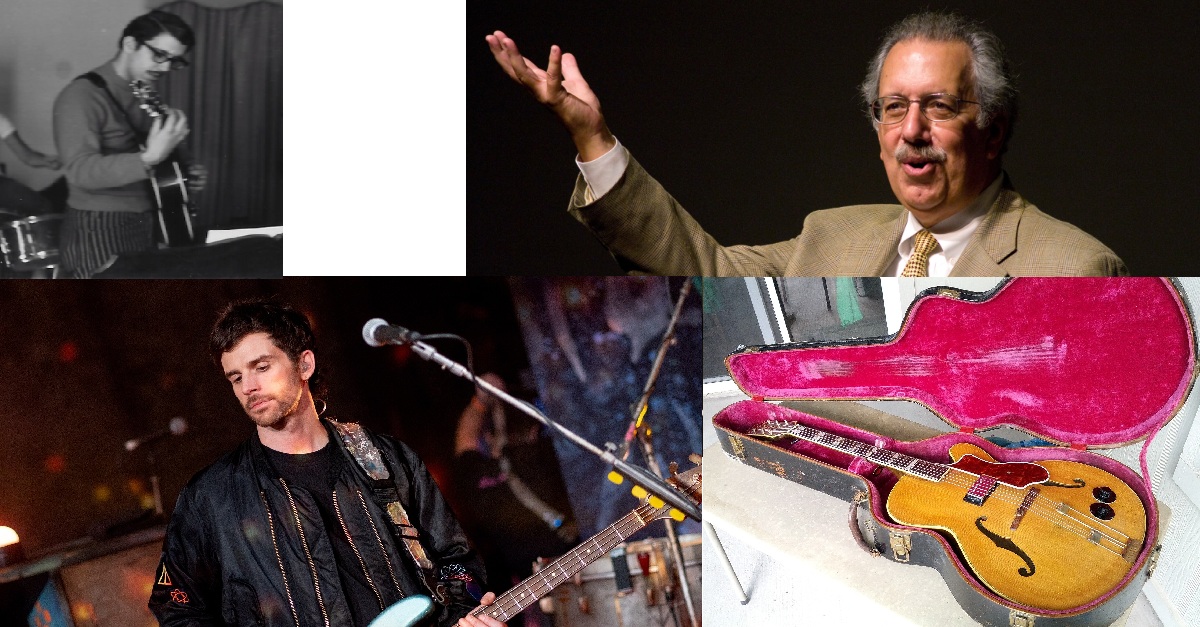
Chris Martin studied Greek and Latin at University College London, where he met Jonny Buckland in their first week in September 1996, and Coldplay grew from there. Twenty-three years later he wrote Orphans with his son Moses, and the band released it with “Arabesque” on October 24, 2019, the first music from Everyday Life. It went to No. 1 on US rock radio, its video won Best Rock at the 2020 MTV Video Music Awards, and the band gave 10% of its worldwide proceeds to the children’s charity Hopeland.
On BBC Radio 1, Martin said what the song was reaching for: “It seems to me that one of things that might help people have a better time is to put themselves in other people’s shoes, whether that’s these kids who have to leave Syria, or who grew up in Baltimore, or whatever it might be. Rather than judging from afar, maybe to think ‘I wonder what it’s like to be there.'”
… the smile that reaches the eyes… that makes us fully Human … always involves music…
…to wonder is to step off the stage…
To wonder is to ask the question you do not already know the answer to. About your career, yes. And about the person in front of you: what is it like to be there? What did they love before anyone was paying them? You cannot wonder about someone from the stage. You have to go down the steps.
The roadblock is the stage itself. It is comfortable up there. You have the microphone, the agenda and the slides, and every step toward one quiet person feels like losing the room. It isn’t. The room is watching you, and what they see you do for one Human in the third row is what they believe you would do for all of them.
…what the research says about a room that sings…
The research backs the room. Robin Dunbar’s team at Oxford followed adult education classes for 7 months and found that singers bonded with strangers much faster than people in craft or writing classes; they called it the ice-breaker effect. And the smile that reaches the eyes has a name. Paul Ekman and his colleagues showed in 1990 that the smile using the muscle around the eye, not just the mouth, is the one that shows up with real enjoyment.
So the eyes are not a figure of speech. They are the measurement. When someone talks about the music they loved at 16, you can watch the change happen, right there, in the eyes.
…the eyes I saw later…
And across the room, a VERY significant player in the coaching world, the head of a major business, was just as deep in a conversation of his own. I caught his eyes later, and they said “Wow – this really works.” … and THAT is what we are going for… No one sees it coming.
Your “Simple… Not Easy” move: Sit down next to the 1 person in the room without a partner, and ask about the music they loved at 16.
If the answer changes how you see that person, and you want to bring that change to the whole team, let’s wonder about it together. Schedule time with me here.
Step off the stage, ask the question, and listen for the ones the room forgot… Orphans